
What Is Design-Build? An Owner's Guide
What design-build means, who the architect works for, what drives its cost, when the price becomes firm, and the trade-offs owners should weigh.
Unclear owner requirements can become costly changes after a design-build price is set. Design-build puts design and construction under one owner contract, bringing earlier collaboration while reducing the owner’s direct control over the designer.
- Single contract, retained decisions: define design review, scope approval and change authority in the brief and agreements.
- Consider it when: requirements can be clearly described and the owner can make timely decisions.
- A weaker fit when: direct control of an unusual design, multiple approvals or slow owner decisions dominate.
This guide explains the contract structure, proposal cost components and pricing stages. For the alternative delivery sequence, use the design-build vs design-bid-build comparison.
To track what the owner decides from the brief through construction and handover, use the design-build process and owner decision worksheet, including the records and open conditions to carry into the next phase.
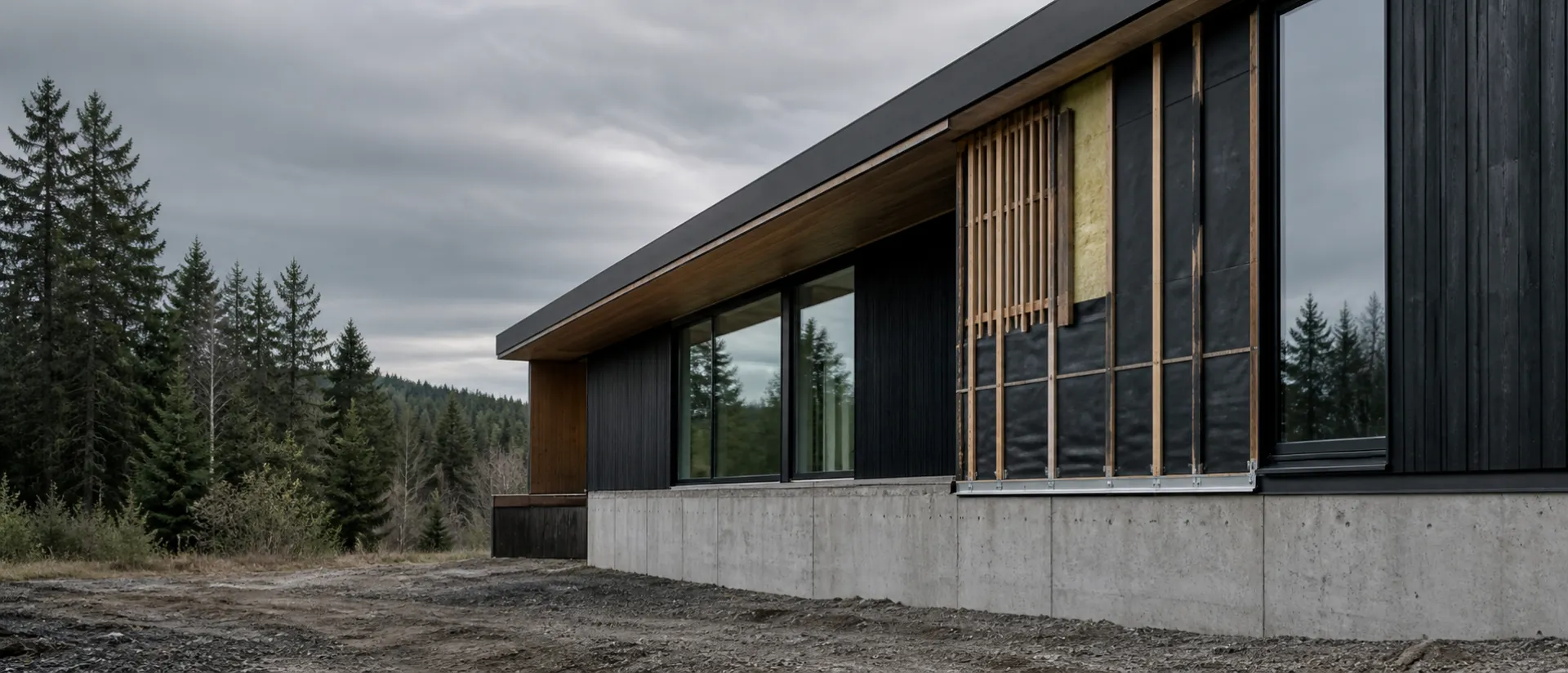
Design-build definition: one contract for design and construction
The Design-Build Institute of America (DBIA) describes the single contract for both design and construction as the fundamental difference between design-build and other delivery methods. The Construction Management Association of America (CMAA) uses the same single-contract basis in its Owner’s Guide to Project Delivery Methods (August 2012, section 3.3, printed pp. 21–23).
The design-builder can be organised in several ways. CMAA lists a joint venture of a contractor and a designer, a contractor with a designer as a subconsultant, a designer-led team with a contractor as a subcontractor, or a single firm that performs both. The label on the contract does not tell an owner which of these structures sits behind it, so ask.
Who the architect works for in design-build
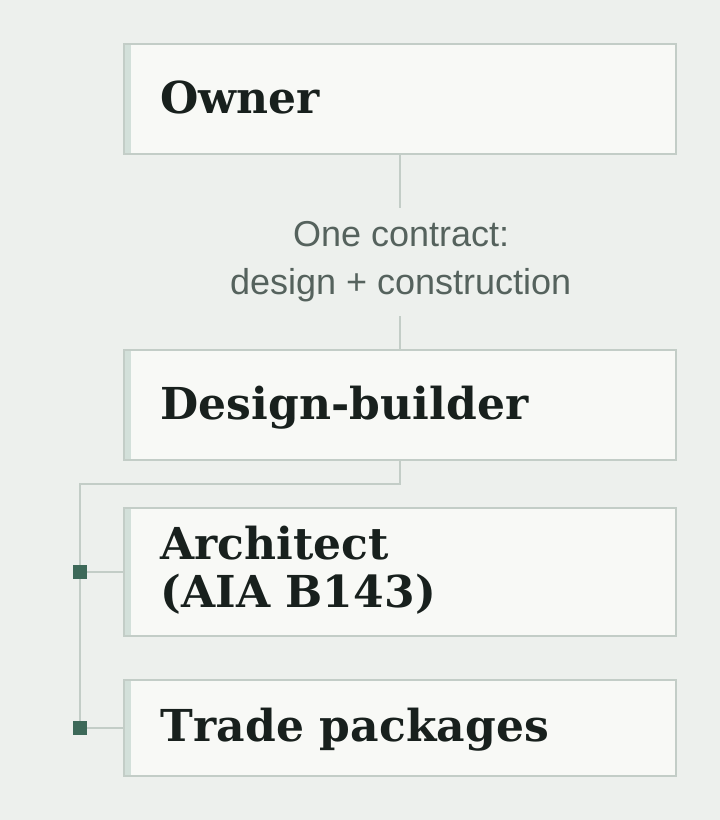
In design-build, the architect normally works for the design-builder, not directly for the owner. The American Institute of Architects (AIA) published a separate agreement for that relationship, B143–2014, Standard Form of Agreement Between Design-Builder and Architect, with A141–2014 as its companion owner-to-design-builder form. AIA B141–2024 now replaces B143–2014. The diagram and points below describe the historical 2014 example, not the current form.
AIA’s summary of the historical B143–2014 form notes three points that matter to an owner:
- The design-builder may be a design-build firm, an architect, a contractor, a developer, or another entity legally permitted to act as a design-builder where the project is located.
- B143 has no fixed scope of architect’s services. The parties choose services from a menu, so the architect’s duties depend on what was selected.
- A design-builder can use it to hire more than one architect, for example one for preliminary design and another, or its own staff, for later documents.
If the owner wants independent design review, define its scope and appointment separately from the design-builder’s architect. DBIA’s 2023 owner-advisor form, section 2.1.17 lists independent review among services that may be selected; it does not make every review automatic.
What drives design-build cost
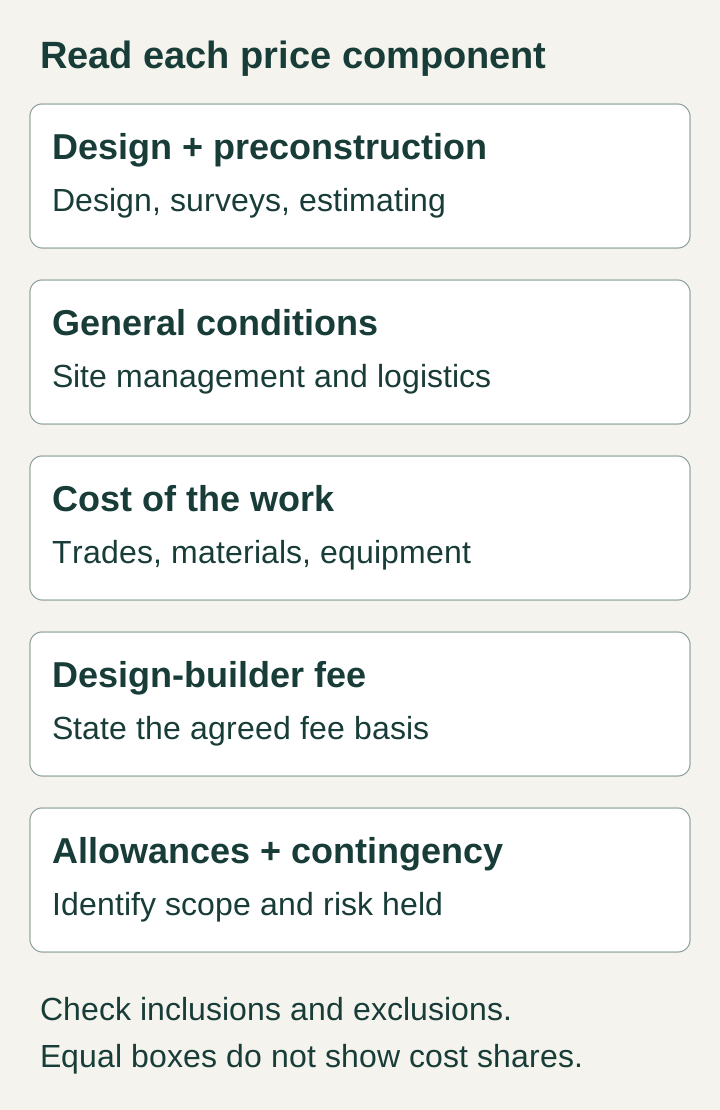
A design-build price is built from the same cost families as any building project, packaged under one agreement. CMAA describes one common contracting approach: a fixed fee for design and preconstruction services, agreed general conditions costs, and a construction fee expressed as a percentage of construction cost, later converted to a guaranteed maximum price (GMP) once the design has progressed far enough. Another approach is a fixed price for the whole design-build effort.
When comparing proposals, separate these elements:
- Design and preconstruction services: design fees, consultants, surveys, estimating, and constructability input.
- General conditions: site management, supervision, temporary facilities, and logistics for the construction period.
- Cost of the work: trade packages, materials, equipment, and labour.
- Fee: the design-builder’s margin, and whether it is fixed or a percentage.
- Allowances and contingency: amounts held for undefined scope or risk. CMAA notes that a GMP typically includes a base cost with allowances and contingencies, and that unused amounts may return to the owner or be shared, depending on the contract.
The factors that move the total are the ones that change these lines: project size and complexity, quality level, site and existing conditions, procurement and escalation timing, and how complete the owner’s requirements are when the price is set. A cost per square foot quoted without those conditions cannot be compared between projects. For how to keep scope and estimate aligned during design, see Why Early Budget Alignment Matters.
When the design-build price becomes firm
The price does not become firm at one fixed moment; it depends on the procurement route.
- Two-step best value: DBIA describes proposals that combine design, project approach, and contract price, with the owner selecting the best-value proposal. The price arrives with the proposal, based on the owner’s stated requirements.
- Progressive design-build: DBIA describes the owner and design-builder progressively advancing the design and cost model together until they reach a mutually agreeable design concept and contract price. The price is agreed after selection.
- GMP conversion: CMAA describes starting with fees for design and preconstruction, then converting to a GMP once the design has progressed to a point where one can be established.
Cost certainty is weaker when the owner’s requirements are thin, existing conditions are unknown, allowances cover significant scope, or the owner changes requirements after the price is set. Record what the price assumes before signing.
Advantages and disadvantages of design-build
The points below are drawn from the CMAA owner’s guide unless marked otherwise. They are typical tendencies, not guarantees for any single project.
| Advantages | Disadvantages |
|---|---|
| A single point of accountability for design and construction | Less design control and involvement for the owner and stakeholders |
| Can produce a project more quickly than conventional design-bid-build | The owner must make decisions quickly to benefit from the speed |
| Designer and contractor work together, creating room for cost efficiency | The owner loses the checks and balances of separate designer and contractor contracts |
| Change orders typically arise mainly from owner changes | Can be problematic when several agency design approvals are required |
| DBIA cites earlier knowledge of firm costs and fewer changes and claims | May be inappropriate for an unusual or iconic design |
CMAA also cautions that it can be difficult for an owner to verify best value without considerable transparency from the design-build team.
When design-build may be a good fit
Design-build can be useful when early cost feedback matters, the programme is constrained, or the project contains details that benefit from close designer-contractor coordination. It may also suit renovations where existing conditions require design decisions to respond quickly to what is found on site. CMAA describes it as best suited to conventional projects whose requirements can be clearly defined and for which expertise is widely available.
It is a weaker fit when the owner has highly specialised requirements but cannot provide close oversight, needs direct control of an unusual design, faces multiple design approvals, or has a slow internal decision process.
Before selecting the method, compare team capability, how the team is structured, design quality controls, pricing transparency, and the owner’s ability to make timely decisions. Once you are ready to interview candidate teams, use how to choose a design-build firm to record license checks, insurance certificates, reference questions, and proposal comparisons.
Which decisions should the owner retain?
Name who approves the brief, scope changes, material substitutions and budget commitments, and when independent review is needed. Agree which records demonstrate acceptance before procurement, construction or handover. A single design-builder does not replace the owner’s decision process.
What is the purpose of a design review?
For the owner, use it to check the proposed design against the agreed brief and identify decisions before dependent work proceeds. If independent review is wanted, agree its scope, reviewer, timing and how comments reach the design-builder; the builder’s own architect is not automatically an independent owner reviewer.
Choose the next task
- Compare delivery methods — weigh direct design control against earlier builder involvement.
- Evaluate and shortlist design-build firms — verify entity licensing, insurance, team roles, and proposal scope with an interview evidence matrix.
- Check budget components and proposal scope — reconcile inclusions, allowances and owner-funded exclusions.
- Prepare for construction — record approvals, responsible people and unresolved items before dependent work starts.
Sources
- DBIA, What Is Design-Build?: single-contract definition and “Design-Build Flexibility” procurement variants.
- CMAA, Owner’s Guide to Project Delivery Methods, August 2012, section 3.3, printed pp. 21–23.
- AIA, historical B143–2014 summary; B141–2024 replacement summary. The historical diagram is not a current-form illustration.
- DBIA Document 501, Owner Advisor Services, 2023 sample, section 2.1.17: selected independent review services.
Public-source explanation; sources checked October 8, 2026. Review the actual project agreements for service scope and decision rights.
Related guides
How to Choose a Design-Build Firm: Criteria You Can Verify
Compare design-build firms with an interview evidence matrix: verify licenses with local boards, check team roles, compare proposals and spot contract red flags.
Read guide Design-Build Process: From Brief to Handover
Follow the design-build process from brief to handover with an owner decision table: inputs, approvals, open issues, price commitments and release conditions.
Read guide
Delegated Design vs Design Assist: Responsibility Guide
Separate delegated design, design-assist and design-build. Use a responsibility matrix to record criteria, calculations, submittals and review duties.
Read guide