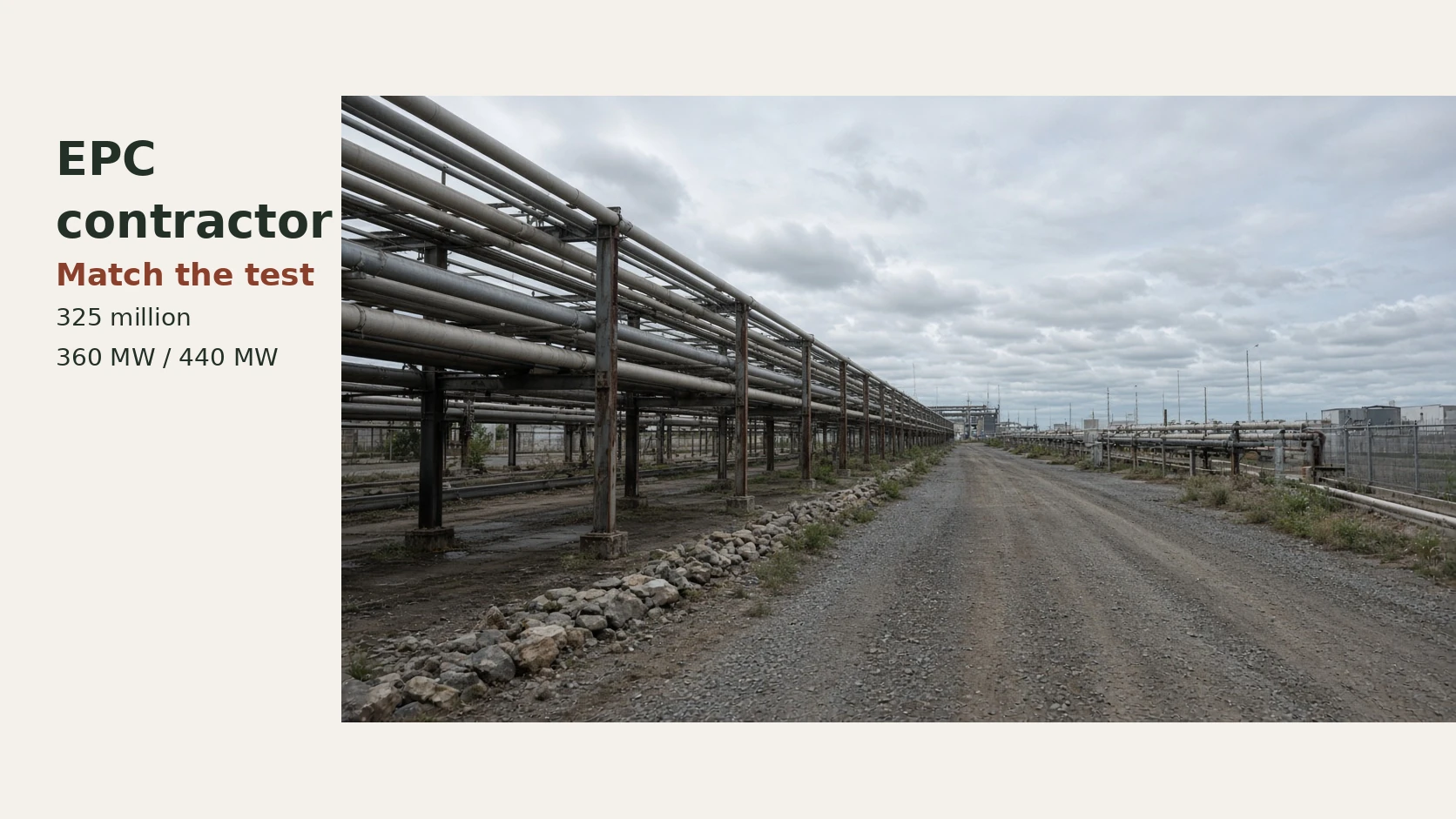
EPC Contractor: Match the Test to the Plant
An EPC contractor selection fails when a 300 MW test is copied onto the wrong plant, or left blank. The 2017 Rupsha invitation prints 325 million USD and two 300 MW contracts.
Read guide SEI Design Build
Selecting the appropriate project delivery method dictates how cost, schedule, and performance risks are distributed across project stakeholders.
Compare modern delivery systems including Design-Build, Design-Bid-Build, and Construction Manager at Risk (CMAR) to choose the optimal procurement structure for capital projects.
6 guides in this topic.
The CMAR guide explains the separate designer and builder agreements, the scope behind a GMP, and the owner decisions required before construction.
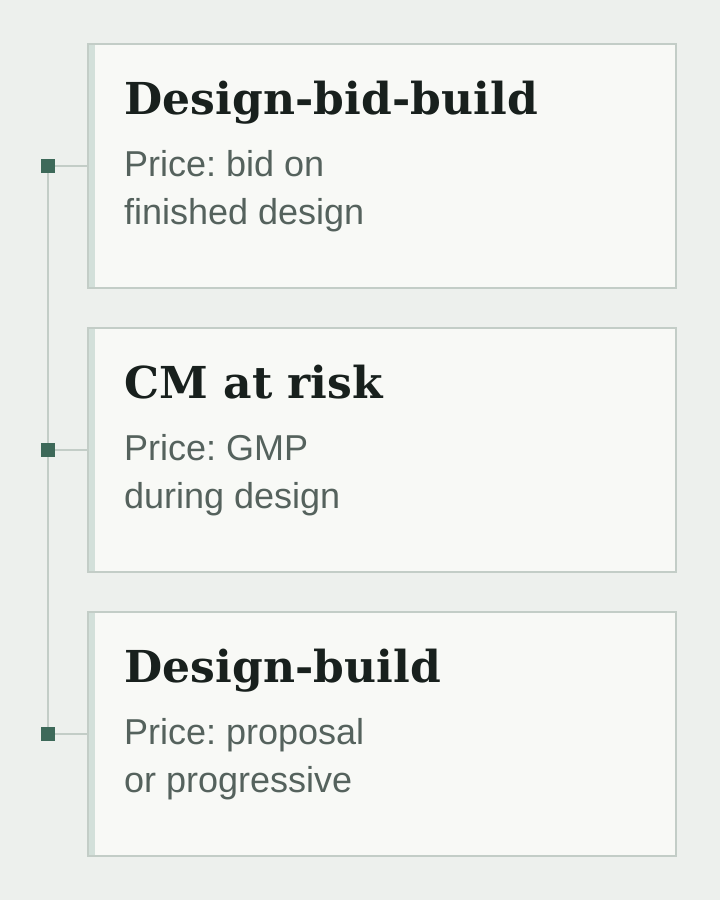
A project delivery method sets who the owner contracts with, when the price is fixed, how much direct control the owner keeps over the design, and who carries construction performance risk. Most methods in use are variations of three: design-bid-build, construction management at risk (CMAR), and design-build. The definitions below follow the Construction Management Association of America (CMAA) Owner's Guide to Project Delivery Methods (August 2012), the Design-Build Institute of America (DBIA), and the American Institute of Architects (AIA) contract families.
Scroll horizontally to see all columns.
| Decision | Design-bid-build | CM at risk | Design-build |
|---|---|---|---|
| Owner contracts for design and construction | Separate designer and contractor | Separate designer and CM at risk | One design-builder |
| When construction price is set | At bid, on completed design documents | GMP negotiated during design; CMAA 2012, printed p. 18, describes prices usually set at 50% to 90% design. This is that edition’s description, not a universal GMP threshold. | With the proposal, or after progressive design development, depending on procurement |
| Owner's design control | Direct contract with the designer | Direct contract with the designer | Through the design-builder's team and review gates |
| Construction input during design | Usually none from the builder | CM advises on schedule, budget, and constructability | Integrated within the team |
| Who answers for design errors to the builder | The owner, under its contract with the contractor | Mostly the owner; varies with CM design review | The design-builder, within its own team |
The table compares structure, not results. Cost and schedule outcomes depend heavily on the team, the owner's decision-making, and contract terms, so no method is ranked here. Published research on outcomes is summarised, with its sample and limits, in Design-Build vs Design-Bid-Build.
Sources checked October 8, 2026: CMAA 2012, sections 3.1–3.3; DBIA’s single-contract and procurement explanation; FHWA’s CM/GC description. The historical price-stage description does not replace project-specific scope and pricing terms.
For a process-plant EPC, match the qualification test to the plant before comparing contract forms.
An EPC contractor selection fails when a 300 MW test is copied onto the wrong plant, or left blank. The 2017 Rupsha invitation prints 325 million USD and two 300 MW contracts.
Read guide
Compare lump sum, cost-plus, GMP, unit-price and time-and-materials contracts by cost risk, and identify the documents included in a construction contract.
Read guide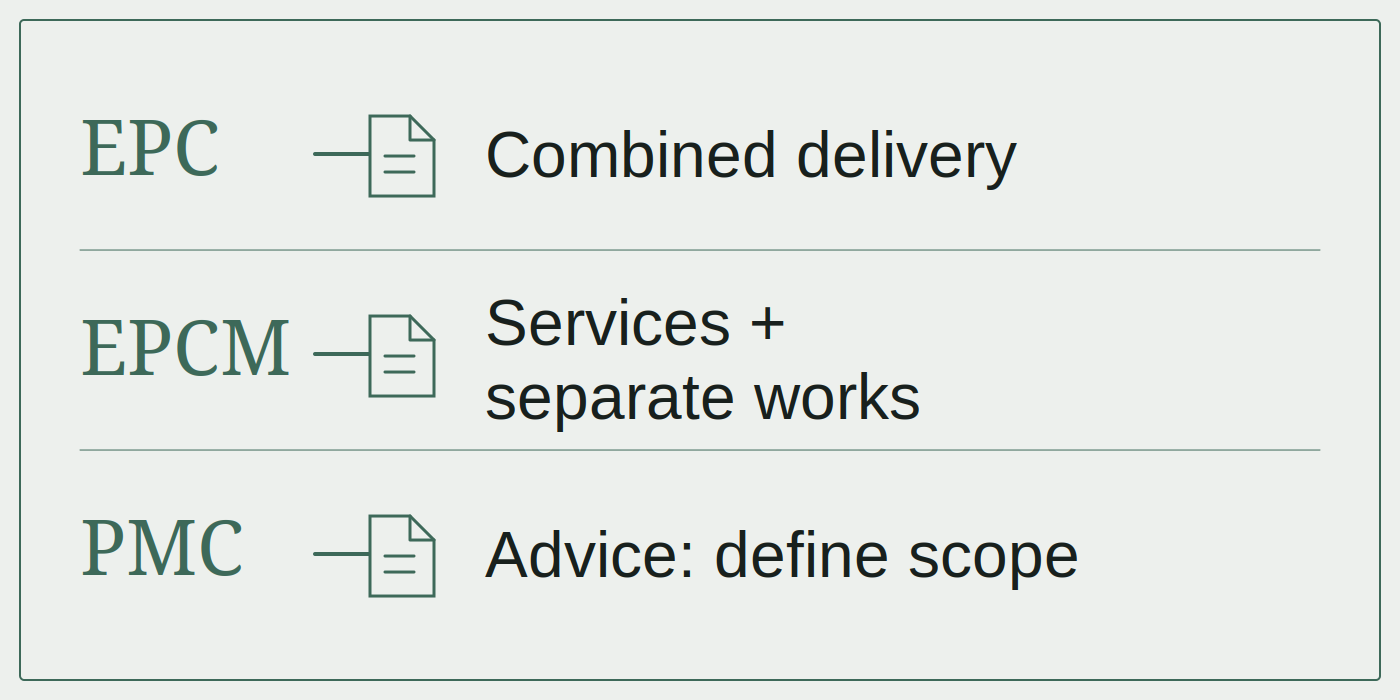
Confusing delivery with management can leave scope gaps. Compare EPC, EPCM and design-build by who signs, supplies, builds and accepts the work.
Read guide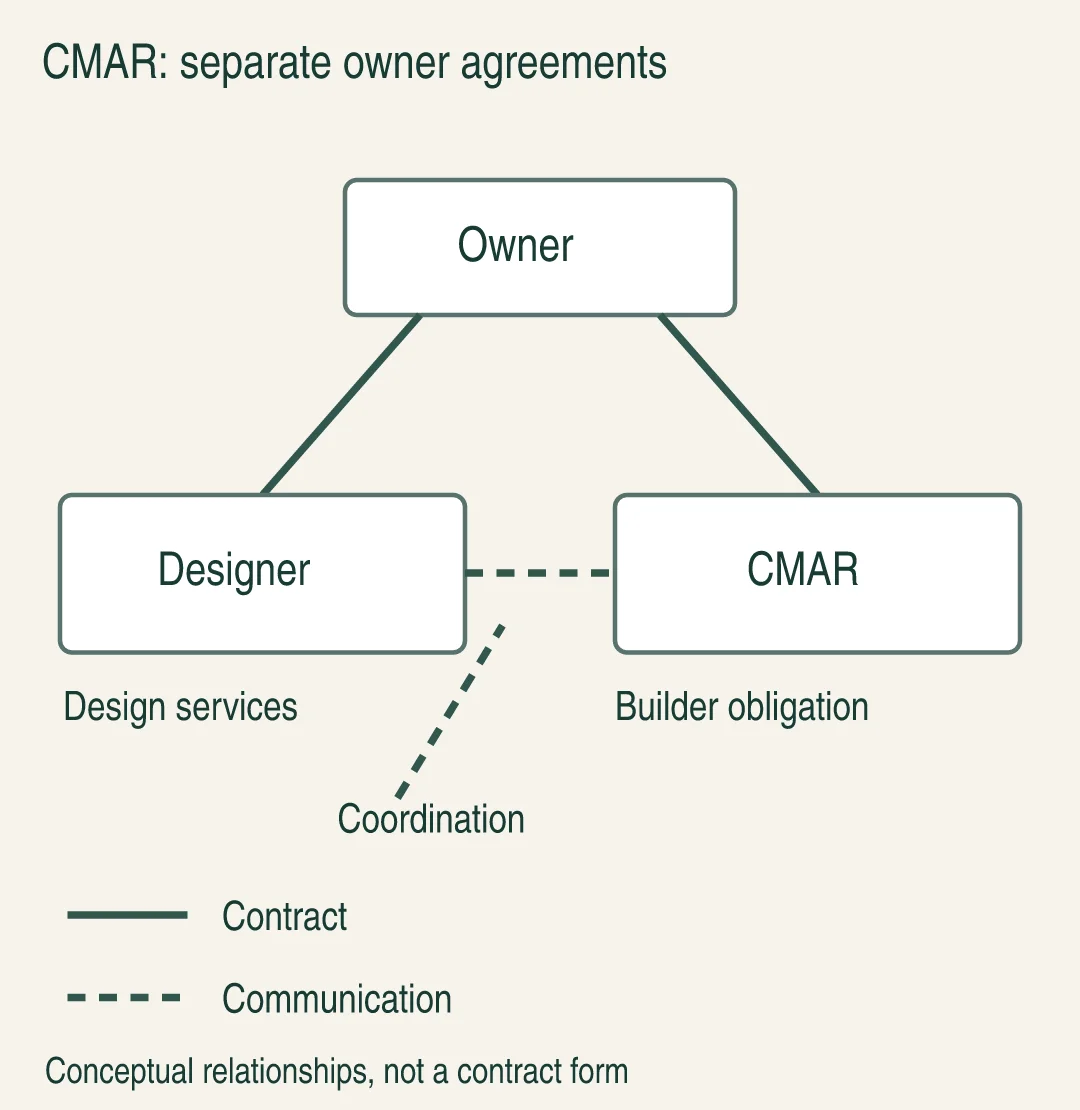
An unclear GMP can leave costly scope disputes. CMAR brings a builder into design while the owner keeps a separate design contract.
Read guide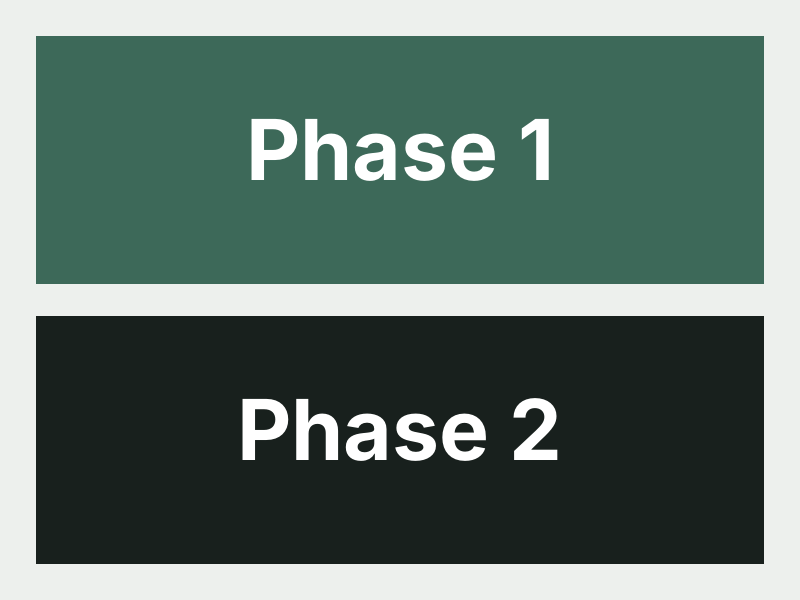
How progressive design-build works: two-phase contracting, open-book pricing, what the owner can do if the Phase 2 price is rejected, and who owns the design work product.
Read guide
A practical comparison of contracts, pricing, programme, design control, risk, and published performance research for design-build and design-bid-build.
Read guide